The Case for Public Schools
July 1, 2026

July 1, 2026
Public education serves the common good, which the Southern Poverty Law Center defines as “institutions and systems provided to all members of a society to meet obligations to care for the common interests of the whole.” The benefits of public schools extend to everyone. Even if you are not a student or a caregiver sending their child to public school, you are neighbors, coworkers, or friends with someone who went to public school. So, it is in your own best interest that public schools are environments that educate students in a variety of literacies and critical thinking abilities. Conversely, if it was not for public schools, we’d all be impacted by the inability of some folks to pay for their children’s schools fees, uniforms, and all of the costs associated with privatization of education. Public schools as a common good is why they are funded by taxpayer dollars. We, as a democratic country, agreed that it’s better for everyone if every child receives a K-12 education, so we all must contribute to that goal. Whether we decided this because we believe children are the hope for a better world and we’d like them to become highly functioning members of society or we simply recognize schooling as a practical benefit for working caretakers, the fact remains that public schools’ aim is a benefit to everyone. This standardization of access can also be an equalizer and provider of opportunities, no matter what the student’s race, gender, or economic class. Here are a few of the most important reasons why public schools are needed:
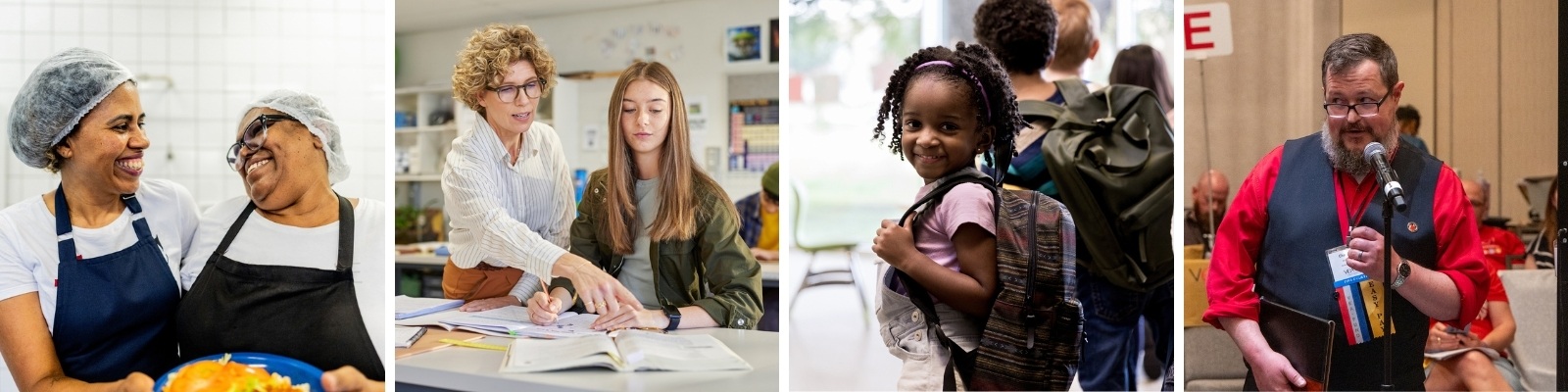
Public schools were established to make education universally available to all children, free of charge. This mission remains as necessary today as ever. Public schools educate the vast majority of U.S. students and will continue to do so for the foreseeable future; their reach is also accessible in all parts of the country. Unlike private schools, which can be selective about whom to enroll, public school systems must serve all who live within their boundaries. By law, public schools must provide free education to students with disabilities and English language learners— two groups who need the extra supports that private schools may not be equipped to tackle or may choose not to address. Public schools must also take the steps necessary to ensure that all students are taught by highly qualified teachers and achieve at high levels. Public school employees are tasked with ensuring that, at a minimum, students walk away with a variety of tools that will allow them to participate in modern life.
Our nation’s founders believed strongly that the success of American democracy depended on the competency of its citizens, and early proponents of public education cited the need to produce citizens who would understand political and social issues, participate in civic life, vote wisely, and protect their rights and freedoms. Developing informed citizens also means learning about our country’s history, which includes slavery, civil rights, and labor movements. Taking a good look under the hood of the nation can help to ensure that we learn from the past, understand the possibilities of what could’ve been, and engage in dialogue and debate from informed perspectives.
Because public schools are a common good, managed by the Department of Education and local school boards, they also continue to be a democratic practice. We have all had the frustrating experience of petitioning our school board for funding, or updates to our building, a policy change, or even a collectively bargained contract. Many times, we may despair at the slow process of change that is required in public schools. “If only we were a non-profit or for-profit system, we could just convince our CEO or shareholders to give us raises, update the building, or change a policy,” we might fantasize. However, public schools belong to everyone, and the slow and painful process of change is democracy at work. This process involves electing our school board members and lobbying our legislators to prioritize our agenda through the budget and in policies. If we dislike or are disappointed by these elected officials, we can run ourselves or elect someone who will do a better job! While it can be messy and frustrating to debate our values in community, and build consensus and a majority, this is also the project of our country and our ideals.
El salario medio de los profesores de las escuelas públicas de Virginia en 2023-24 fue de 65.830 dólares. Es decir, 4.260 dólares por debajo de la media nacional de 70.090 dólares.
Más información