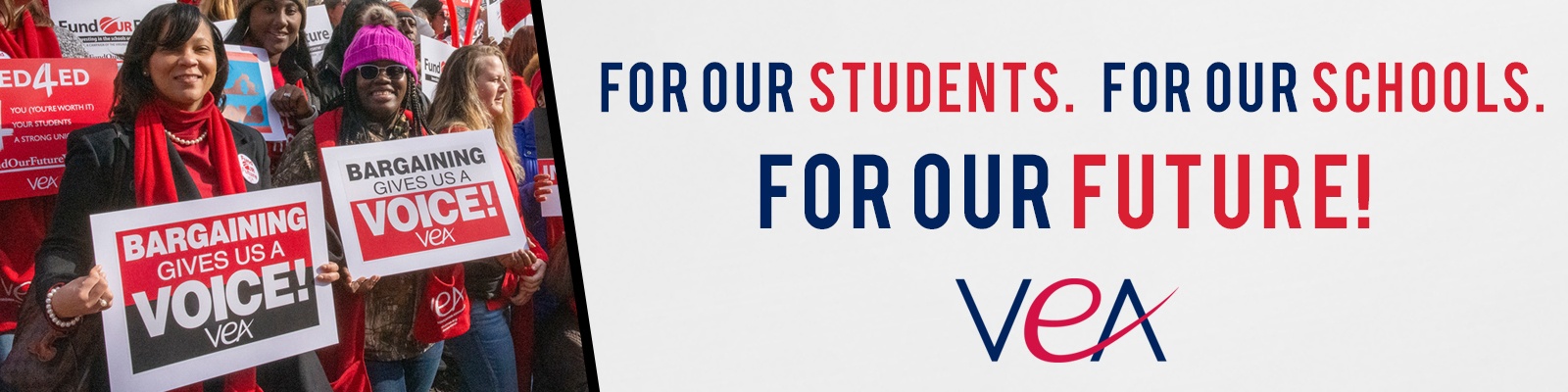
Governor Spanberger vetoed collective bargaining legislation in 2026, preventing the bill from becoming law. The legislation was the result of years of collaboration among educators, labor organizations, legislators, coalition partners, and representatives from localities that have already implemented collective bargaining ordinances. Together, these stakeholders worked to develop a thoughtful and workable framework for collective bargaining in Virginia.
As VEA prepares for future efforts to advance collective bargaining rights, it is important that the Governor continues to hear directly from educators and school employees across the Commonwealth. Use this opportunity to share why collective bargaining matters to you, explain how it would strengthen public education, and encourage continued dialogue that builds on the substantial work already completed.
Collective bargaining legislation advanced further in 2026 than ever before, reflecting years of work by educators, labor organizations, legislators, coalition partners, and localities with firsthand experience implementing collective bargaining. Although the legislation was ultimately vetoed, the momentum behind this effort continues to grow.
Now is the time to build on that progress. Legislators need to hear from educators and school employees about why collective bargaining matters and why this issue should remain a priority heading into the 2027 General Assembly session.
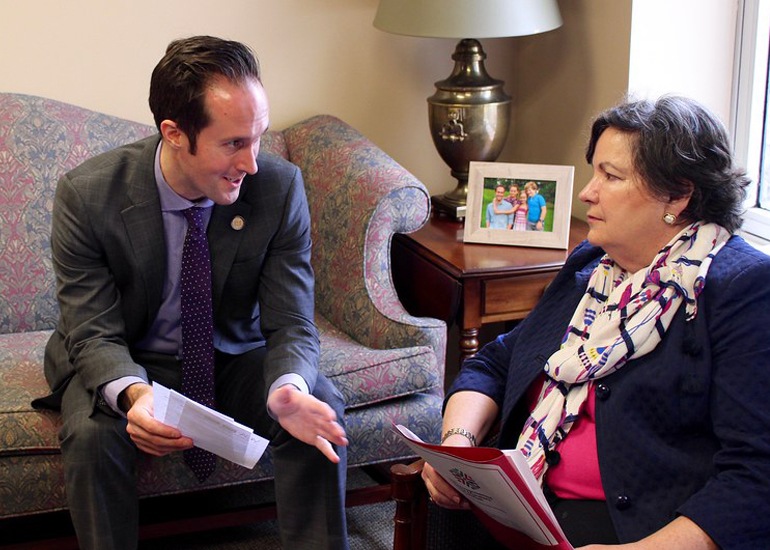
As VEA prepares for renewed collective bargaining efforts in 2027, legislators need to hear directly from their constituents about why this issue remains a priority. Meeting with lawmakers in their home districts is one of the most effective ways to build support before the General Assembly convenes.
These district meetings give educators and school employees the opportunity to share firsthand experiences, answer questions, and demonstrate how collective bargaining would strengthen schools, improve working conditions, and benefit local communities. These conversations can build on the progress made in 2026, strengthen relationships with supportive legislators, and encourage undecided lawmakers to engage more deeply with the issue.
The progress made on collective bargaining legislation in 2026 would not have been possible without legislators who were willing to champion the issue and stand with educators and school employees. Years of advocacy, coalition-building, and legislative work helped move collective bargaining further than ever before in Virginia, and supportive lawmakers played a critical role in that success.
Taking a moment to thank legislators who supported collective bargaining helps reinforce the importance of this issue and encourages continued leadership as efforts move forward. Positive feedback from constituents reminds elected officials that their support is valued and that educators remain committed to advancing collective bargaining rights in Virginia.
Access organizing tools, resources, and strategies to help your local association build member power, engage educators, and lay the foundation for achieving collective bargaining.
The most effective messages include a brief personal example. Legislators and their staff often receive large numbers of identical emails and form letters on important issues. While those messages demonstrate support, personalized messages and email subject lines are more likely to be read individually and help decision-makers understand how an issue affects real people in their communities.
Before sending your message, consider adding one or two sentences about your own experience. You might share:
Advocacy is most effective when it’s ongoing. Whether this is your first, fifth, or fiftieth action, every conversation helps keep collective bargaining front and center with Virginia’s elected leaders.
If you’ve already completed the actions above, fill out the form below and our Government Relations team will reach out to you with exciting new opportunities to get involved and make a difference!
Virginia is a top 10 state in median household income, but ranks 36th in the US in state per pupil funding of K-12 education.
Learn More